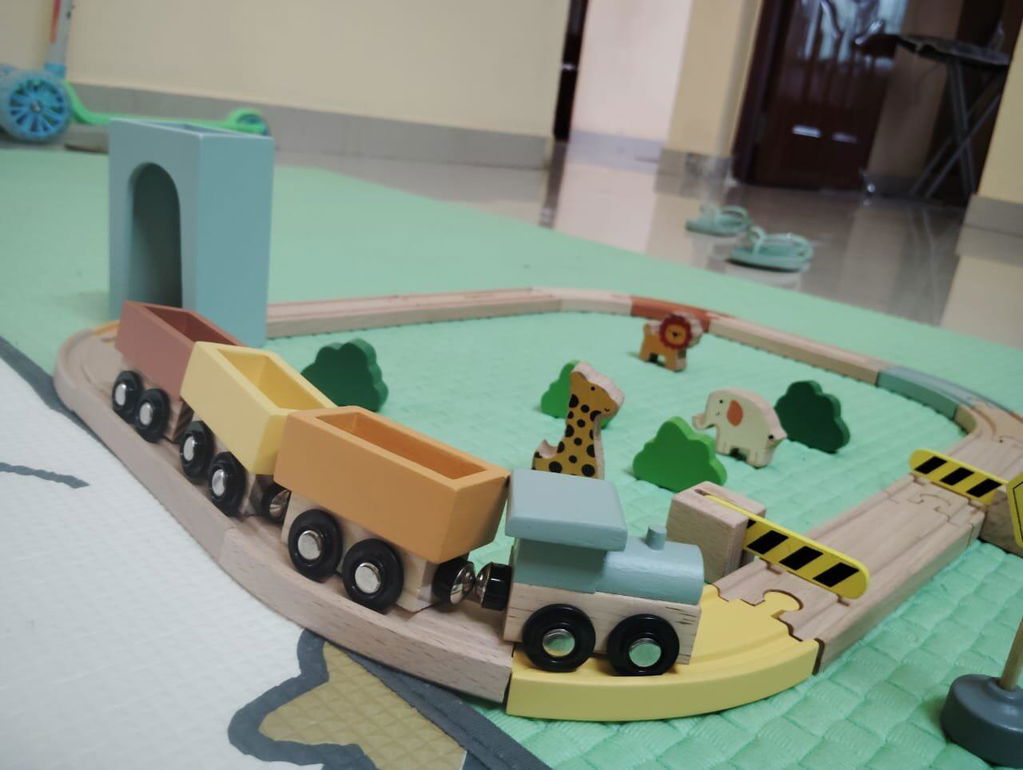

Quick AnswerDIY stands for “Do It Yourself.” DIY toys come with materials and parts that children can use to make, build, paint or decorate something on their own. These kits may include craft projects, painting activities, and build-your-own sets, giving children a chance to explore their creativity through hands-on play. |
Toys which provide children with something to do, not watch, are often more popular. The creation of a model, a small structure or making a colour addition to a design helps them to participate from start to finish. DIY kit for kids can make playtime more interesting by encouraging hands-on activities.
Parents need to go beyond the features and aesthetics and select the right kit. Materials and instructions should be appropriate for the child’s age, interests and abilities, and the activity should be appropriate. There are kits to craft, wood to build from plenty of choices for various interests and levels of skill.

What Is a DIY Kit?
A DIY kit is a collection of materials, parts or tools provided for making something yourself. Depending on the activity, it may include wooden pieces, a base, decorative materials, colours or instructions to help complete a project.
Children, a DIY kit can turn an ordinary afternoon into a hands-on activity. They might assemble a model, decorate a design or create something they can display afterwards. The main idea is participation: instead of receiving a finished object, children get involved in making it.
The items inside each kit can be different. Some kits are about painting and making things look nice. Others are about putting things or building something. Reading the description of the product helps parents know exactly what is, in the kit. If they need anything else.
Why Are DIY Kits Useful for Children?
A creative activity can provide more than just craft or model. Children are given opportunities to practise a variety of skills through the process and enjoy their playtime.
Self-expression: Painting, decorating and choosing colors let children make their choices. Even when a kit follows a design children can still find ways to add their own ideas.
Problem-solving: We notice that building activities involve figuring out which pieces fit together and what must happen next.
Fine motor practice: Activities such, as handling parts placing pieces and adding colour can help children practice hand movements and coordination. The level of difficulty must match the children’s age and abilities.
Patience and concentration:Some projects require steps before the final result comes together. Children have the chance to focus on one task at a time. However younger children may need breaks and adult support.
A sense of achievement: children finish a project they have something that they can show to others. That finished item also reminds them of the work they put into making it.
These benefits depend on the child, the activity and the support available. A kit does not automatically make an activity educational; how the child uses it matters too.
Types of DIY Kits for Kids
Not every child enjoys the kind of creative play. We seen how child reacts when child gets the kind of play. Some child like painting other child prefer building. Some child are happiest when child makes miniature objects. Understanding the types can help parent choose an activity that feels interesting rather than, like another task.
1. DIY Painting Kit
DIY painting kit is a choice for kids who love colours, patterns and bringing their ideas to life on paper or canvas. These kits can come with things, like a blank surface to paint on a design to follow or materials that let children make something completely their own. It’s a way to explore art and express creativity in a simple hands-on way.
Painting activities let children explore colour combinations and try out decorative details. Parents should make sure that paints and brushes are included. They should also check if the materials are right, for the child’s age group. It’s important to confirm if the activity needs a protected work surface.
2. DIY House Kit
A DIY house kit lets children take part in building a house or some kind of structure. Some kits ask kids to put pieces while others let them focus on decorating a tiny home.
These kinds of activities can grab the attention of children who love building things playing pretend or making stuff for their toys. When picking a kit it’s an idea to check how the parts fit together how much help, from an adult might be needed and if the final house is meant to be played with or just shown off.
3. DIY Craft Kits for Kids
DIY craft kits for kids offer a variety of activities. They can include paper crafts, decoration, model‑making and many other creative projects. The materials and steps depend on each DIY craft kit.
For someone who’s new to DIY craft kits a kit, with clear instructions and a small number of steps can be a sensible starting point. For children who already love crafts a DIY craft kit that allows more freedom to experiment or to design a project may be more appealing. Each choice of DIY craft kit should match the child’s interest and skill level.
4. Wooden DIY Toys for Kids
Wooden DIY toys for kids combine making activities with the appeal of working with wooden components. Depending on the design, children may assemble, arrange or decorate pieces to create a model.
Playbox India’s DIY collection includes designs such as dinosaurs, trees, rockets, a village and a unicorn. These give parents different themes to consider when choosing a project for a child’s interests.
selecting DIY toys look for smooth well-finished components. Make sure the dimensions are right for the child’s age. Check that there is age guidance, on the packaging. Also see if the kit has parts that could be a choking hazard. Find out if assembly is needed and whether adult supervision is recommended. These details help make sure the toy is safe and enjoyable.
5. DIY Toys That Involve Building and Assembly
DIY toys are built so you can snap pieces together to create a shape or model. Kids who love building and want to see how each part fits together will find these activities fun.
The difficulty must match the child’s abilities. A project that is too hard may cause frustration while a project, with manageable steps gives the child chances to finish the process.

Wooden DIY Toys or Regular Toys: What Is the Difference?
The main difference is the role the child plays during the activity. A conventional ready-made toy is generally designed to be used once it is assembled and ready for play. A DIY toy adds a making stage before the child can enjoy the result.
With wooden DIY toys, children may handle components, follow assembly steps and see how the individual pieces come together. This can make the process itself an important part of the experience.
Neither type is automatically better for every child. Ready-made toys may be more suitable when a child wants immediate play, while a DIY project may appeal to someone who enjoys building or decorating. Many families can benefit from having both options available.
When Can Children Use DIY Kits?
The appropriate age depends on the individual product, its components and the skills required. There is no single age that applies to every DIY kit.
For younger children, look for simple activities with larger components and close adult involvement where required. Older children may be ready for projects with more assembly steps or greater creative freedom, provided the product’s age recommendations and safety requirements are followed.
Parents should also consider their child’s experience and attention span. A child who is new to making activities may enjoy a straightforward project more than a complicated one, regardless of age.
For any kit, follow the manufacturer’s instructions. Young children should be supervised, particularly when an activity involves small pieces, sharp tools, adhesives or other materials that require careful handling.
Who sells creative DIY toys for children online?
While exploring do it yourself toys online the product description should help you know what you are getting before it arrives. Look at the age group the toy is meant for the materials used the parts that come with it how much assembly is. How the finished toy will be used.
Look at the activities the toy offers of just how it looks. A good description and clear pictures can help you decide if the project is right for your childs interests and how experienced they are.
Parents who want wooden do it yourself toys can look through the Playbox India DIY Kit collection.
This collection contains designs such as dinosaur, tree, rocket, village and unicorn. I recommend checking each products details before buying. Make sure each product has what you need and is suitable for your child.
We believe a chosen kit gives children an opportunity to take part in making something of their own. The finished model is one part of the experience; the decisions, attempts and small discoveries, along the way matter too.

Frequently Asked Questions
What is a DIY toy?
A DIY toy (Do-It-Yourself toy) is a toy that children can make, build or decorate themselves using materials such as wood, paper, cardboard or craft pieces. Examples include wooden building kits, paper crafts and model-making kits that let children create something through hands-on play.
What is DIY full form?
DIY stands for “Do It Yourself.” It means making, building or decorating something on your own instead of buying it ready-made.
What is a DIY kit used for?
A DIY kit is used to help children make, build, paint or decorate things themselves. It usually includes the materials needed for a project, such as wooden pieces, colours and instructions, so children can create something through hands-on activities